

Bee's Eye View
How a hand magnifier opens up a world of nostalgia

Slow down.
This phrase is thrown around a lot in nature and mindfulness circles. With everyday life constantly trying to speed us up, it’s certainly a useful reminder, but how exactly do we do it?
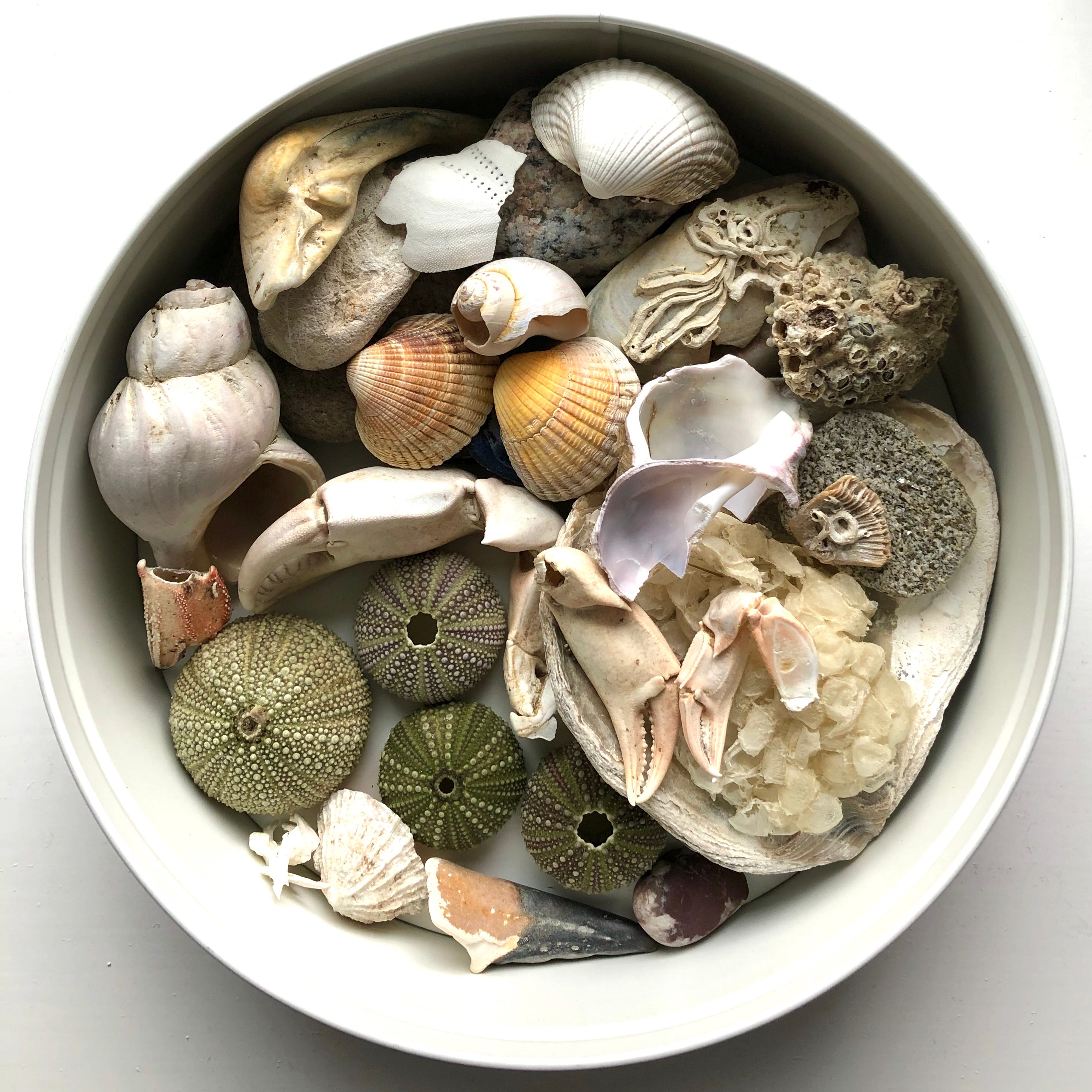
I’ve always been a slow person, so to speak. When I walk with a group of people, I’m the one 200 yards behind everyone else, peering at a butterfly, bird, mushroom, shell or nicely coloured pebble. You’d have to put blinkers on me to shimmy me along; every windowsill in my home is proof that I’m a magpie for nature’s offerings.
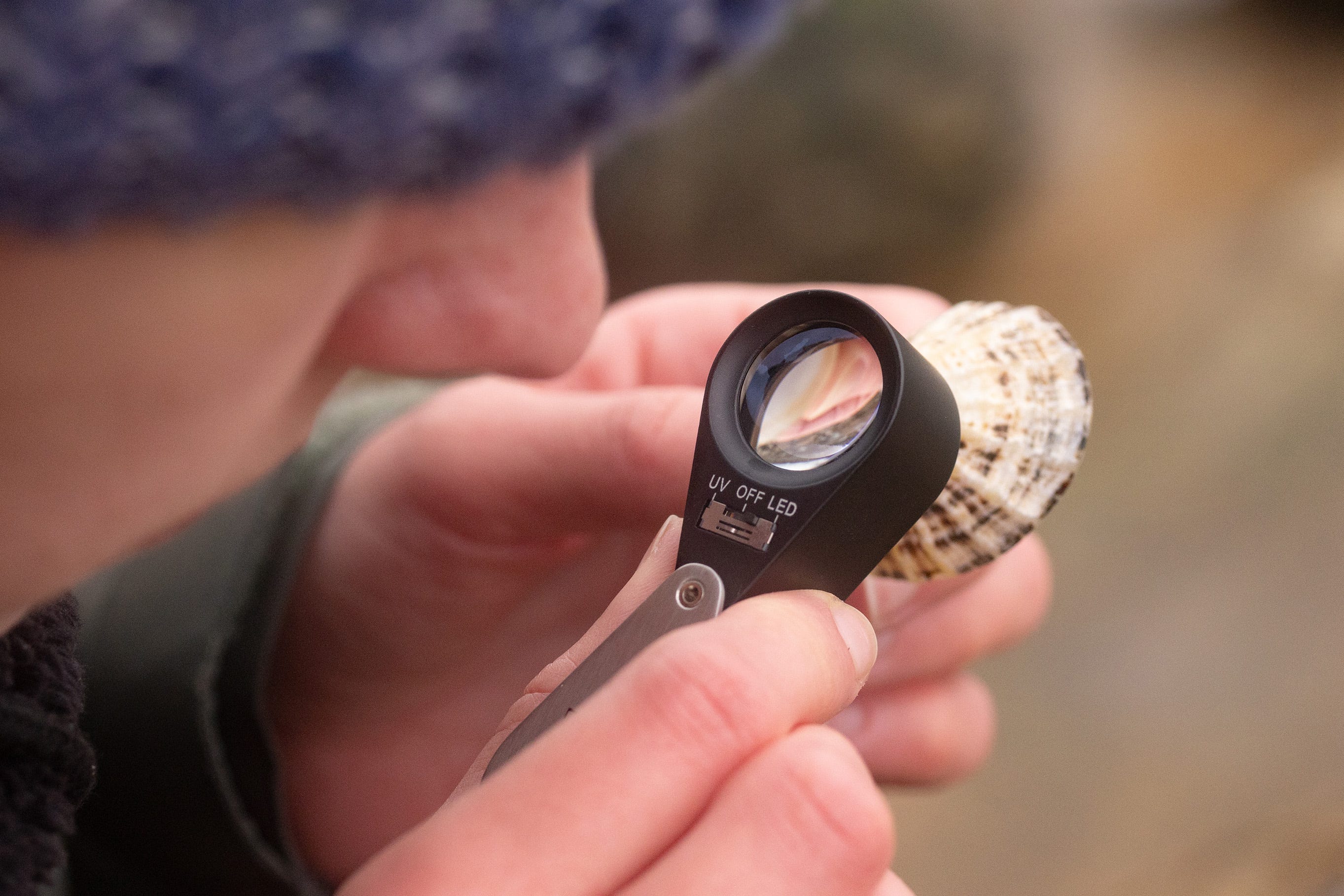
But for those normal folk who simply walk when they’re outside, slowing down might not come as naturally. So I have a cheap solution that will grind you to an instant halt: a hand magnifier.
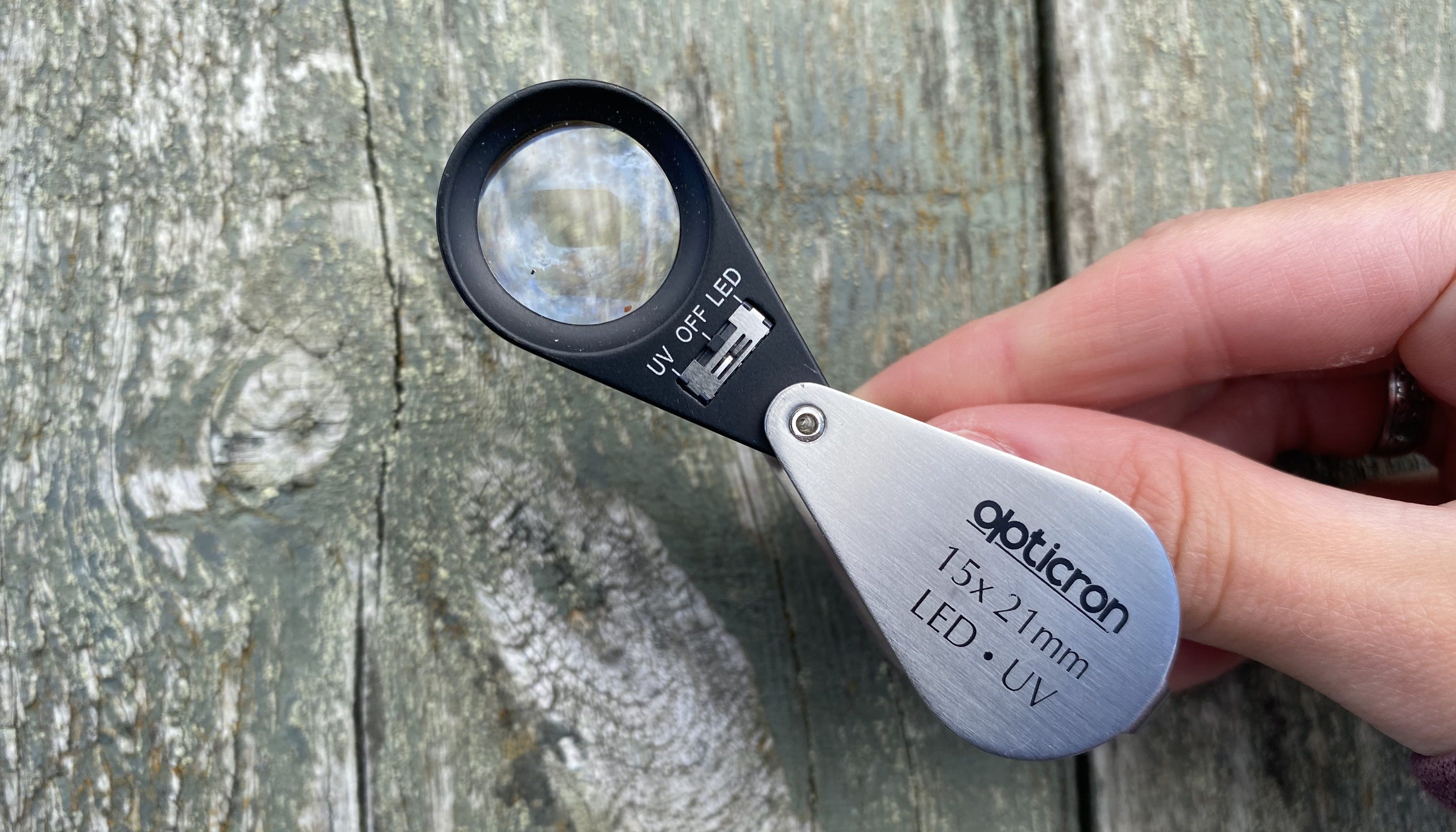
Remember these from school? You can still get the Sherlock Holmes-style ones with the skinny handles, but I much prefer folding loupes. They’re dinky enough to slot onto your keys, and many have built-in LED and UV lights for illuminating even more juicy details. Stick it in front of your phone camera and you’ve got an instant macro lens for about £10.
I’m not being dramatic when I say that magnifiers open up new worlds. They’re a miracle worker for kids, and just as effective for whimsical adults.
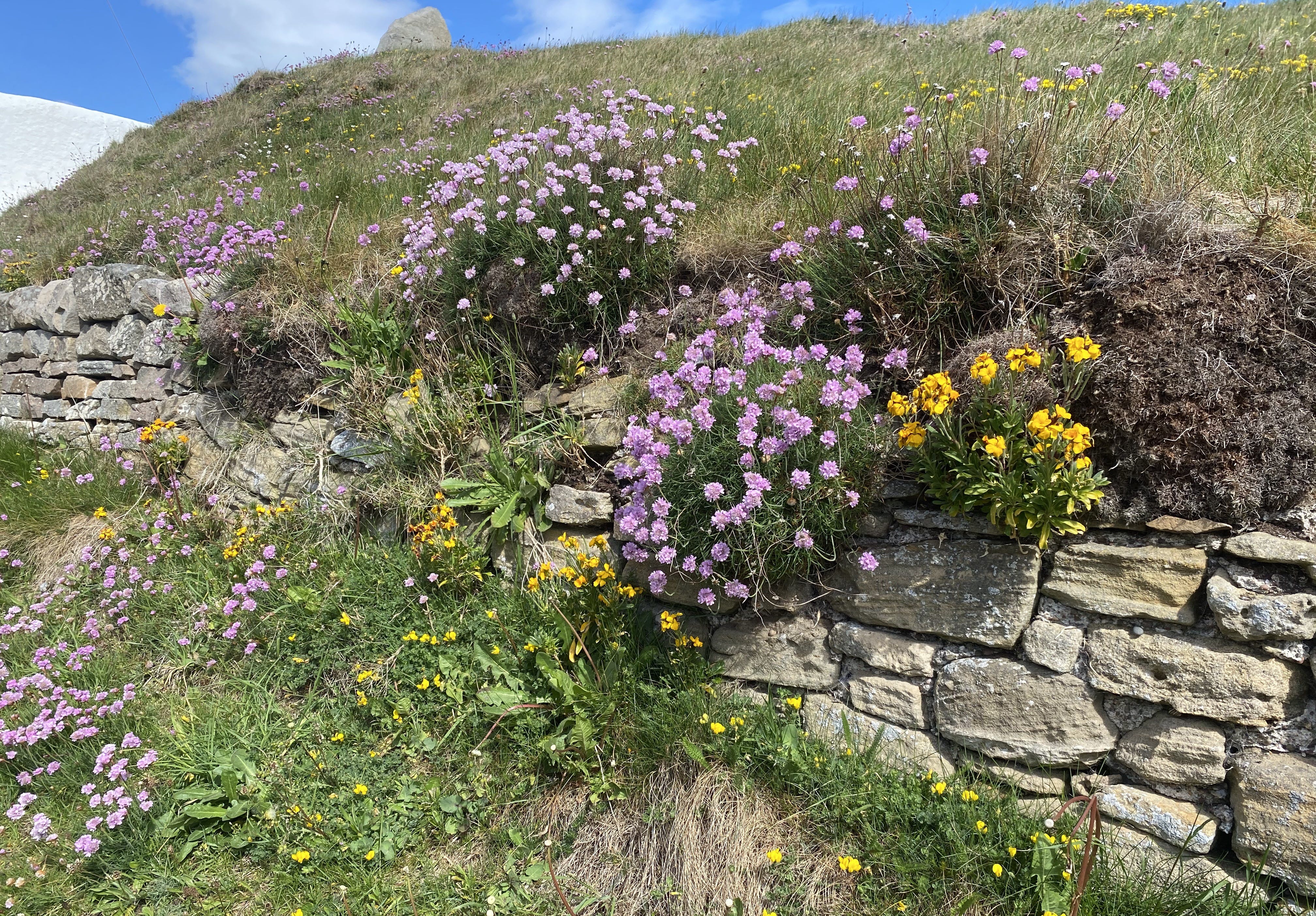
Recently I visited my local stone wall. Bear with me, this isn’t a celebration of cement. Said wall is currently sporting a festival of colour from all the wildflowers poking out of its cracks and crevices.
Once I was crawling around with my nose in the grass, I appreciated what a marvel the ground really is. My trusty magnifier and I spent an hour exploring a section of footpath that would have taken ten seconds to walk past. Every leaf, petal and scrap of lichen became a riot of texture, and I returned quite unexpectedly to my childhood.
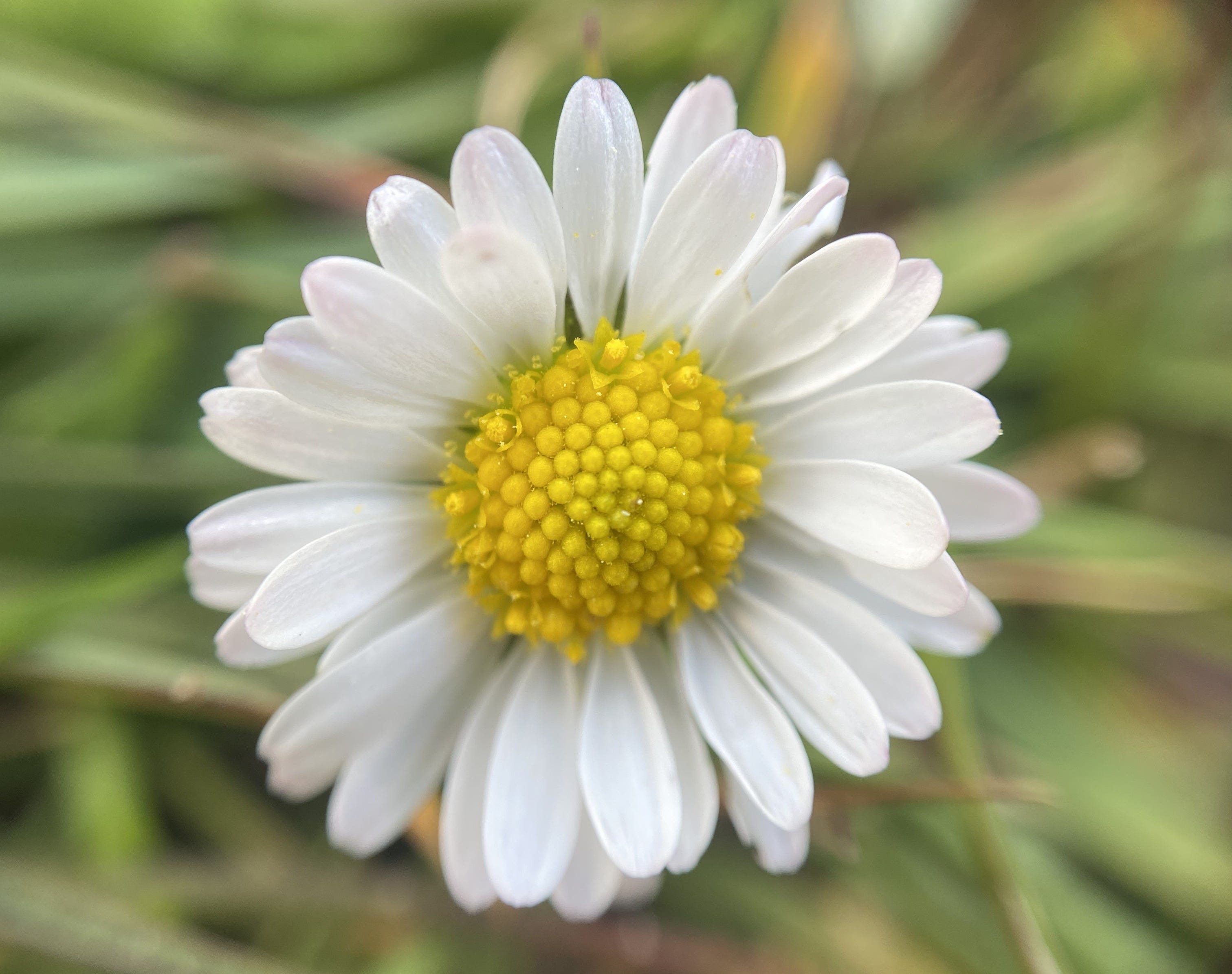
Daisy
The humble daisy has a long history of being woven into chains and plucked by lovestruck folk wondering if he loves them or loves them not. Each individual flower head is actually a composite of tiny flowers, some packed in the yellow centre and others encircling it as white ray florets. The yellow disc florets are rarely appreciated until you study them up close.
Buttercup
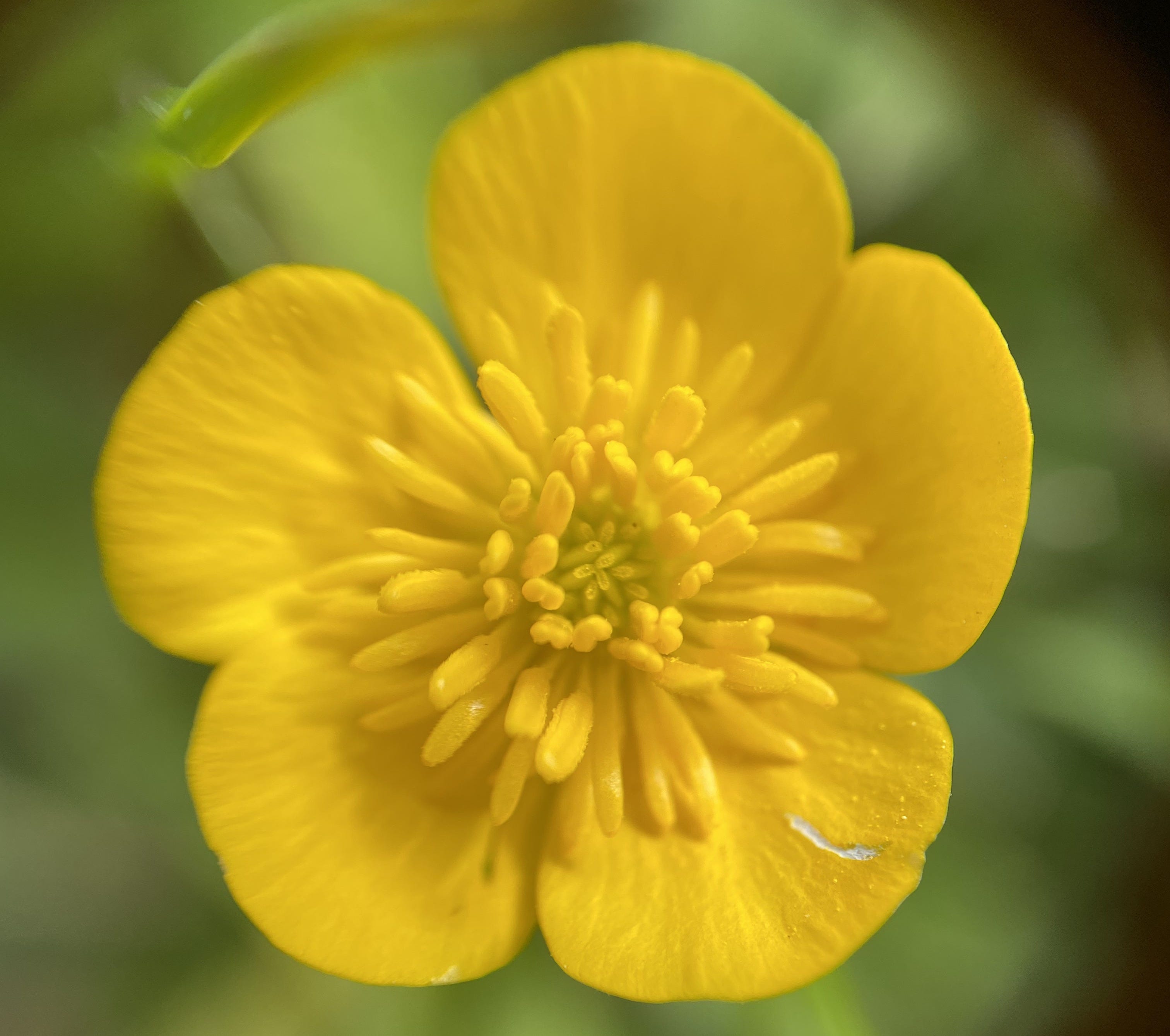
Another so-called weed beloved by us all growing up, buttercups were used to determine your pal’s fondness for butter. The reality is, a buttercup’s glossy petals naturally reflect light, so will cast a warm glow under a willing chin whether that person likes butter or not. These speckles of sunshine pack a punch too, releasing a toxin in their sap that makes them poisonous to livestock.
Dandelion
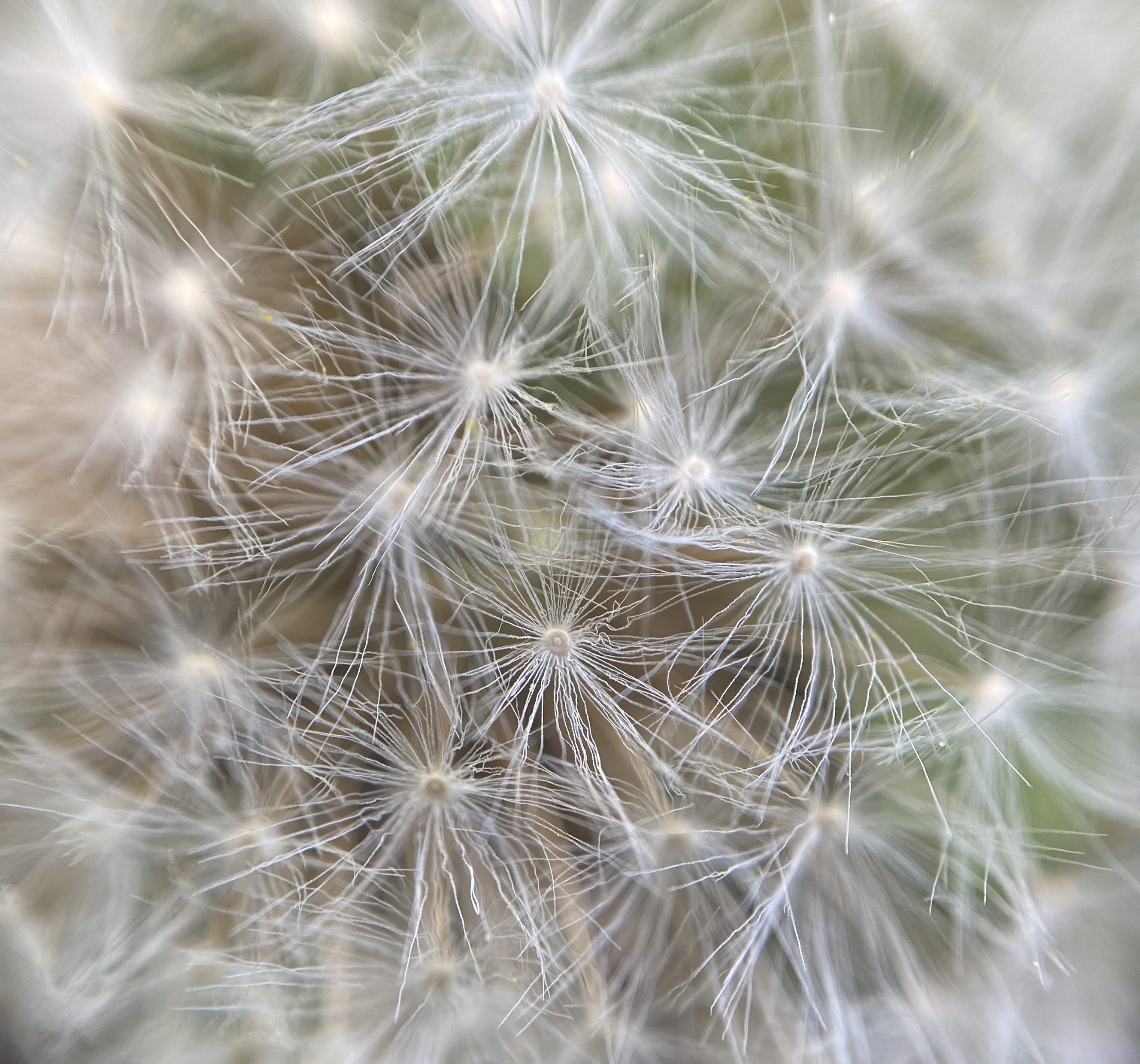
Even at the cusp of 30 years old, I can’t resist blowing a dandelion clock to see those fluffy seeds take flight. What a miracle of natural engineering! Once upon a simpler time, I would try to dislodge all the seeds in a single puff; only then could my wish come true. Who remembers the Disney Pixar film A Bug’s Life, when Flik the ant hitched a ride on a dandelion seed? They just don’t make them like that anymore.
Gazing at daisies, buttercups and dandelions brought back so many memories of playing on the school field and village park, surrounded by blooms. All those quirky traditions linked to flowers made me realise how rooted nature actually is in our folklore.
It’s easy to forget that I used to lounge in the grass and literally count flower petals. By slowing down and peering through my magnifier, I reconnected with that simple slowness in a wonderfully reflective way.
Very inspirational. We can all be Peter Pans when immersed in nature 💚 Our bodies may get older but our imagination, exploration and appreciation of nature never should ☺️
That’s lovely, Rebecca. I take photos with my phone up to my binoculars all the time, never thought to try with a loupe. And I do remember a Bug’s Life!